 Albin Kurti
‘Family Values’ Row Returns as Kosovo Govt Revives Changes to Civil Code
Prime Minister Albin Kurti announces plan to move ahead with stalled changes to civil legislation as opposition MP attacks provisions deemed hostile to 'traditional family values' such as same-sex partnerships.
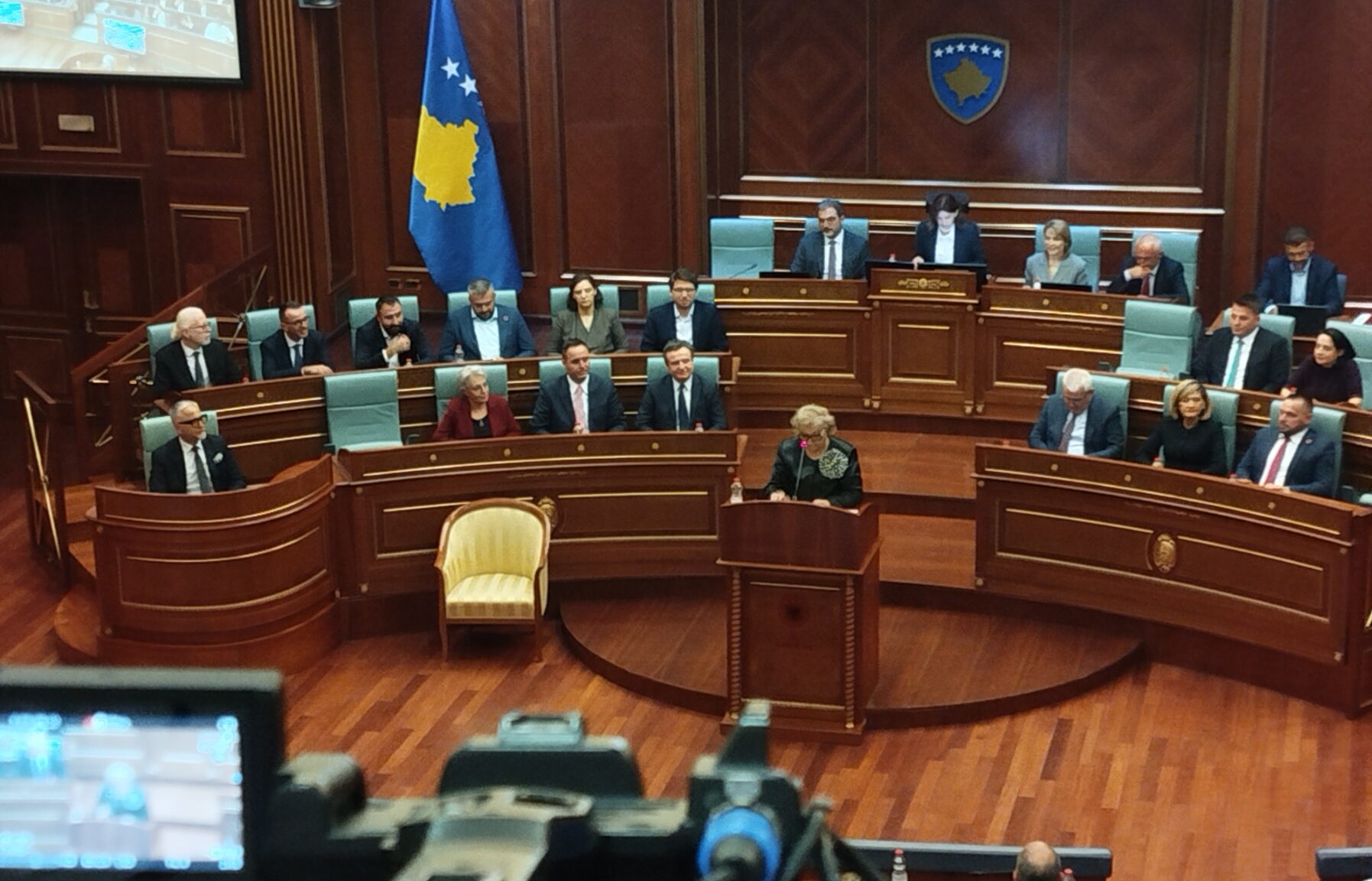
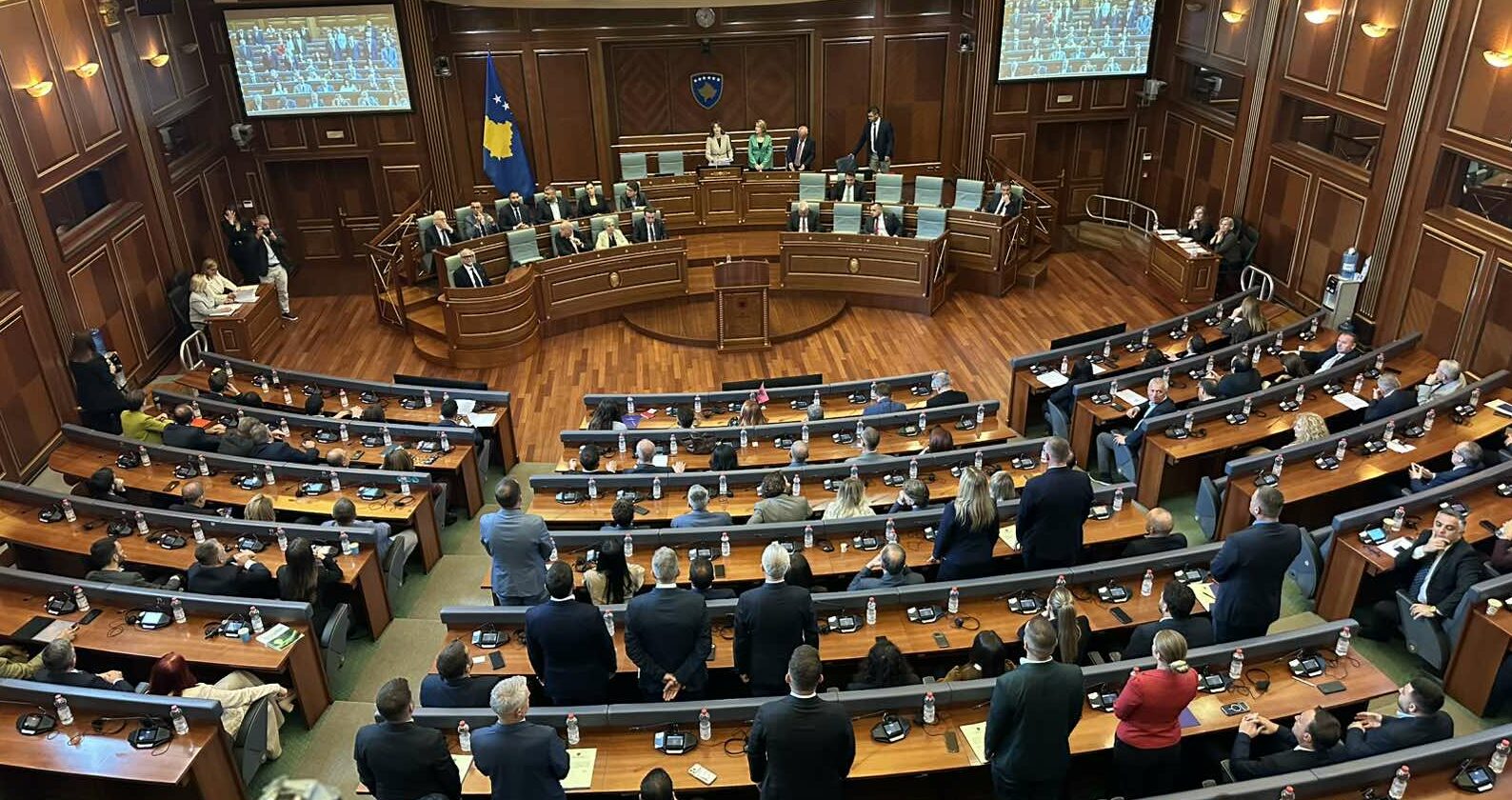
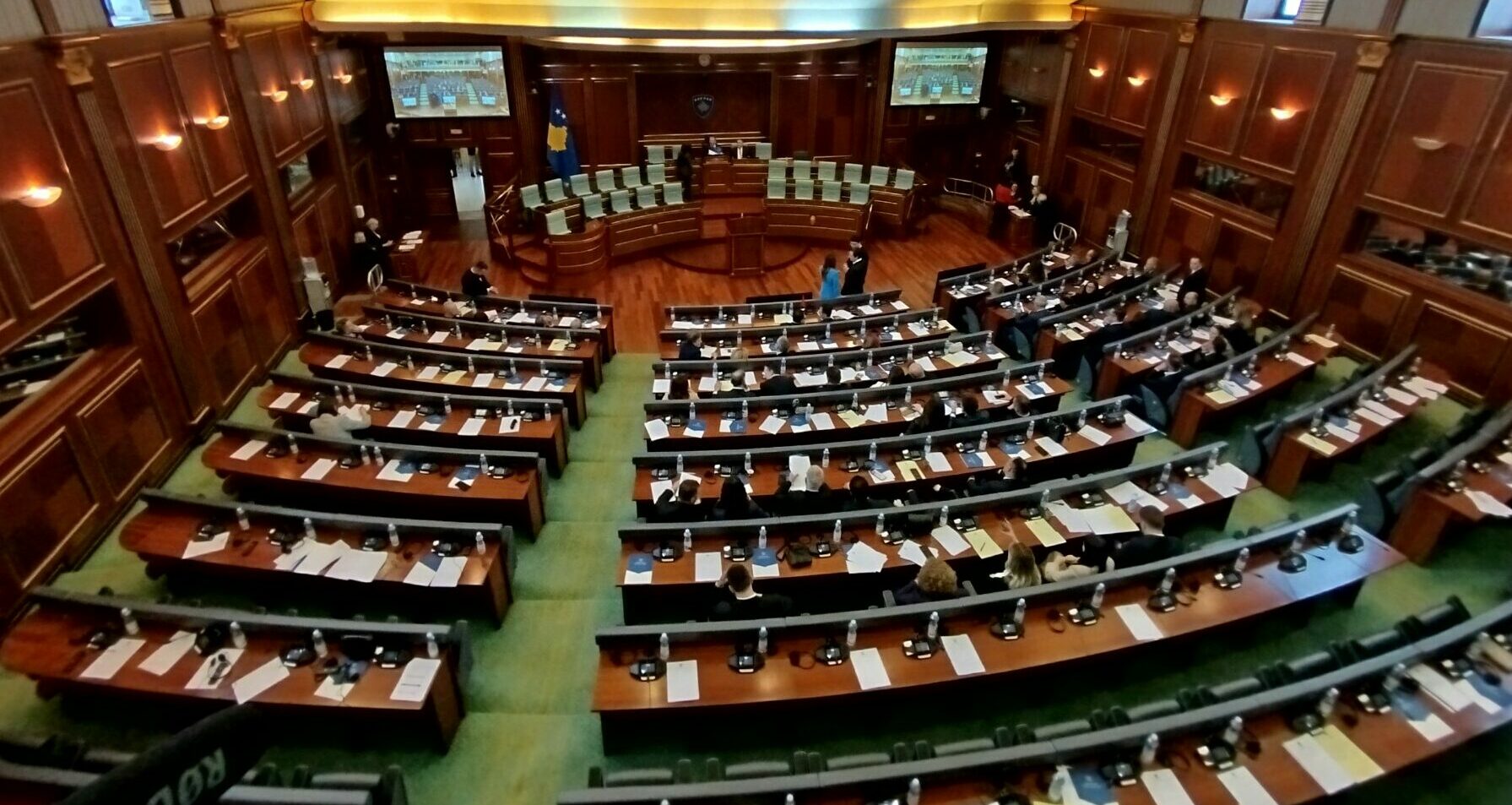
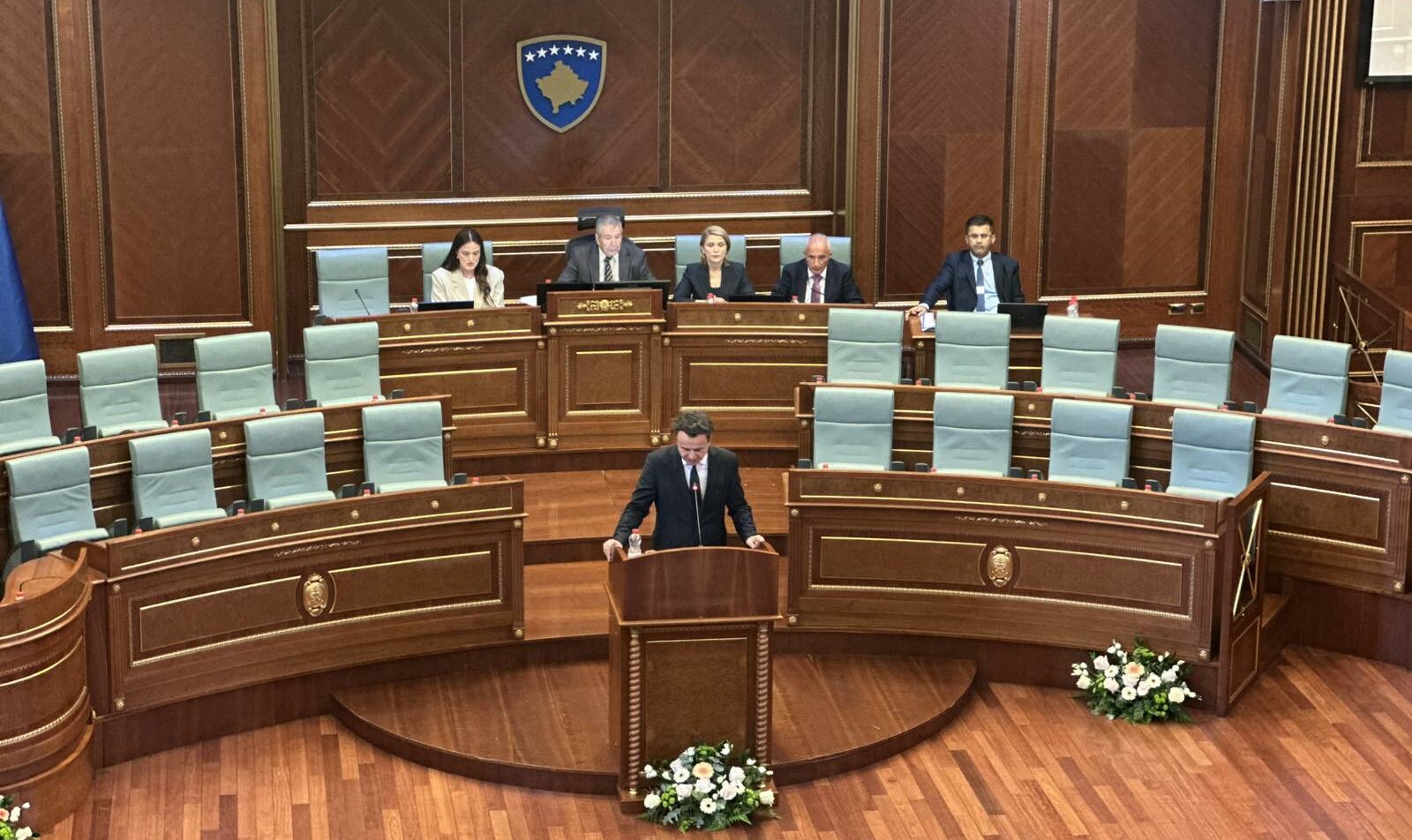
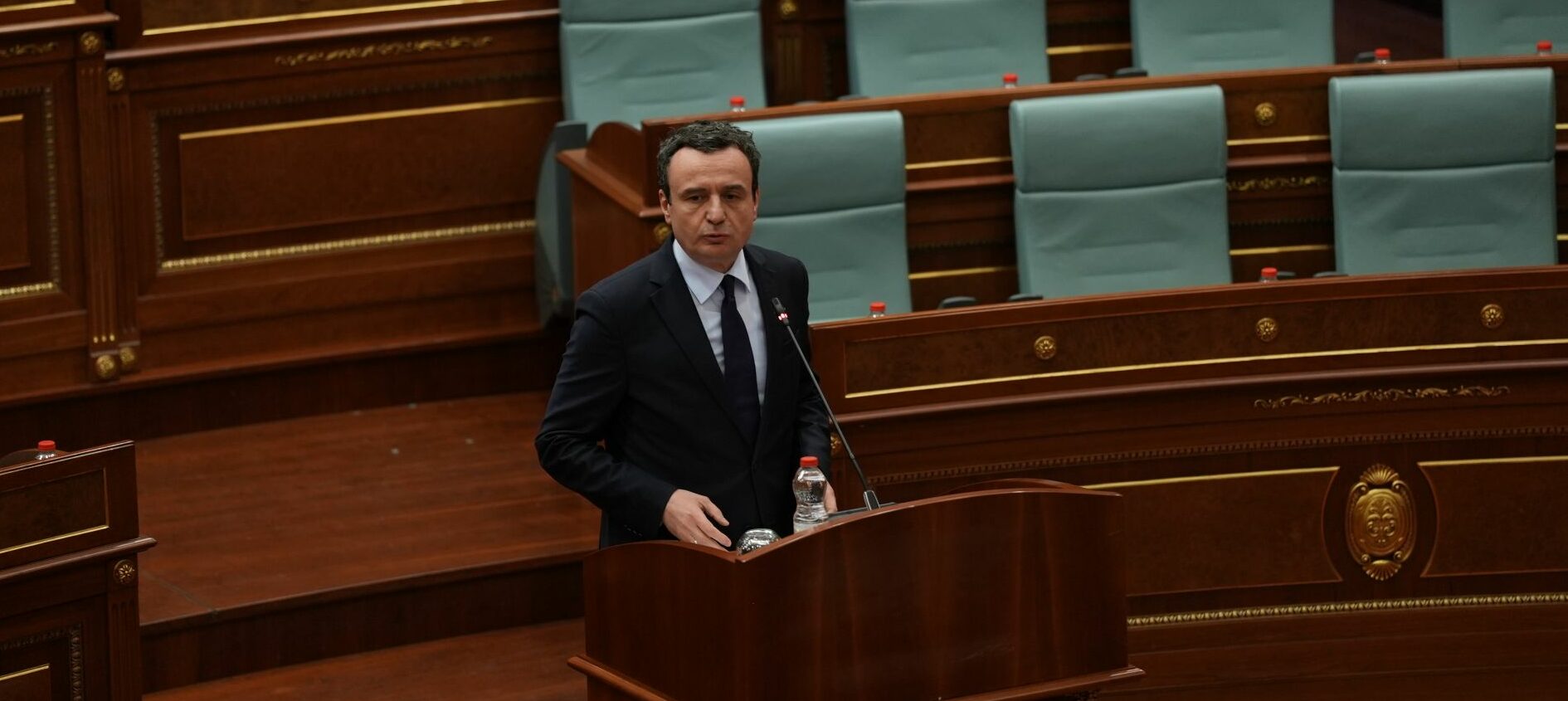
Kosovo’s Prime Minister, Albin Kurti, clashed with opposition MP Eman Rrahmani of the Democratic Party of Kosovo, PDK, in parliament on Thursday over stalled reforms to the Civil Code and proposed laws on medically assisted reproduction, with disagreements focusing on same-sex unions, reproductive rights and “family values”.
Three bills on these issues are included in the government’s legislative agenda from mid-November until the end of the year.
During Thursday’s session, Rrahmani accused the government of “disregarding traditional family values”.
“Why are you continuing with this agenda? Don’t you think you are offending the citizens who voted for you and disregarding the values of the traditional family?” Rrahmani asked.
Kurti responded that Kosovo needed “comprehensive reform of civil law” to provide greater legal certainty in areas including property, family relations and inheritance.
“These are the areas through which citizens live as individuals and families, and develop and prosper,” Kurti said, adding that legal ambiguities “could leave people uncertain about their rights to use, inherit or sell property”.
Kurti urged Rrahmani to consider the proposed legislation as a whole and not focus on individual provisions.
“The Civil Code contains 997 pages and 1,630 articles,” Kurti said, advising Rrahmani to examine the document in its entirety. “Focusing on just one or two articles risks becoming an obsession and does not help,” Kurti said, causing laughter in parliament.
He added that MPs did not have to agree with every provision but “should consider the broader purpose of the legislation”. He noted that a working group at the Ministry of Justice would meet next week to discuss the matter.
Rrahmani said his opposition concerned two paragraphs of the Civil Code that he believes undermine the family.
“These will not be voted through in this parliament. We will send back those provisions that undermine the family,” he said.
The proposed Civil Code has been stalled since 2022 due to disagreements over provisions that would allow for the adoption of separate legislation regulating civil unions between people of the same sex.
Rrahmani, who in 2022 was a Vetevendosje MP but later switched to the PDK, criticised provisions he said could permit marriages between men, as well as allowing women to become mothers without a father.
Kosovo law currently does not allow same-sex marriages. The constitution, on the other hand, recognises that “on the basis of free consent, everyone enjoys the right to marry and the right to create a family in accordance with the law”.
The government has often declared that it intends to bring the Civil Code before parliament, but the legislation has yet to secure final approval.
The proposed Law on Reproductive Health and Medically Assisted Fertilisation has also faced delays. The government submitted the bill in January 2023 and parliament approved it at first reading in October Attempts to pass it at second reading in 2024 then failed.
Under the draft legislation, women would be eligible for in vitro fertilisation, IVF, regardless of their marital status or whether they were in a same-sex or heterosexual relationship.
Kurti said the desire to become a parent “should be treated with understanding and respect by the state”.
“The desire to become a parent is one of the deepest expressions of human desire,” he said, adding that difficulties associated with parenthood deserved a careful response from public institutions.
The proposed law foresees IVF services and a public bank for reproductive cells. Currently, women seeking these procedures have to turn to private healthcare clinics or somewhere abroad.